

HOUSE BUILDING GUIDE: A-Z ROADMAP FOR FIRST-TIME HOME BUILDERS
It is often said that getting married, building a house, and buying a buffalo are the three biggest milestones in a person’s life. Among these, building a house is perhaps the most headache-inducing because it consumes a large amount of money, drags on for a long time, and involves many complicated steps. If you are standing at that threshold with your head spinning, not knowing which step to take first, this article is a reassuring hand saying “calm down, I will guide you step-by-step.”
Le Tung Construction will accompany you through every key milestone, from conceptualizing ideas to handing over the key.
1. Choosing land: The foundation of every story. You can’t talk about building a house without land. But buying land is not just “liking it and closing.” Here are three things you must consider carefully before paying:
Clear legality: The land certificate (sổ đỏ, sổ hồng) must be under the rightful owner’s name, and the classification as urban or rural residential land must be transparent. Never buy land with handwritten notes even if introduced by relatives, unless you want to lose your money and get nothing.
Land shape: The ancients said “first shape, second direction, third location.” A rectangular, well-proportioned plot that expands at the back (nở hậu) is always ideal. It makes functional design easier and brings good feng shui. Avoid distorted, narrow, or extremely deep plots as they will challenge the architect and increase construction costs.
Orientation & Feng Shui: Do not be overly superstitious, but do not ignore sun and wind directions either. Homeowners with East Tứ mệnh should prioritize North, South, East, and Southeast directions. Those with West Tứ mệnh should choose Northwest, Southwest, and Northeast. Practically, choose directions so that the living room gets cool breezes, the kitchen is shielded from direct drafts, and bedrooms avoid harsh afternoon sun. Le Tung suggests consulting a mindful feng shui expert or check the compass alignment.
2. Setting a budget: Know yourself and your limitations. There is a harsh truth: beautiful houses are proportional to spending. However, it is not just about having money; you must allocate cash flow intelligently. Save this budget allocation formula:
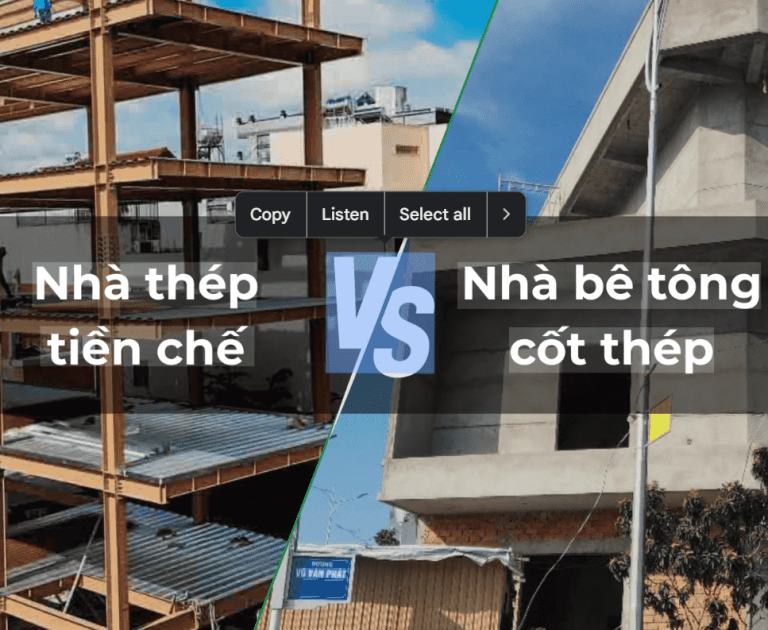
Structural building & exterior finishing: Occupies about 65-70% of the total cost. This is the “bones and flesh” of the house, including foundations, columns, beams, slabs, bricks, walls, and waterproofing. Do not cut corners here because repairing these later is extremely expensive.
Interior and appliances: Occupies 20-25%. Kitchen cabinets, sofas, sanitary ware, lighting… You can be flexible on where to splurge and where to save. Electronics and appliances can be bought gradually, but the water system and wiring behind walls must be top-quality from the start.
Contingency fund: Always keep 10% of the project value for unexpected costs. Rainy season construction might require extra shoring or piles. You might suddenly prefer a lim wood door over aluminum, or want an extra skylight. Having a contingency fund prevents these impulsive decisions from bankrupting you.
3. Legal procedures: Complicated but mandatory. In Vietnam, anything involving paperwork is tiring. But without a building permit, you are building illegally; a warning from ward officials will stop everything. You need to prepare:
Building permit application form.
Notarized copy of the land certificate.
Design documents prepared by a licensed entity. Ensure your drawings comply with setback lines, building density, and allowed floor counts. Usually, a mindful contractor (like the Le Tung team) will assist you in this step to ensure the smoothest process.
4. Finding architects & contractors: Do not choose the cheapest. This phase determines 80% of the project’s success. Find the right person, and you will have peace of mind. Choose the wrong one, and you lose money, time, and family harmony due to constant arguments.
Choosing the architect: This person must sit down with you and understand your needs. Some things you like might not be practical. A good architect will convincingly reject impractical ideas rather than blindly agreeing and delivering poor results.
Choosing the contractor: Look at their completed projects and call their previous clients to ask if they are satisfied. The quote for structural work or turnkey packages must be detailed, specifying material brands. Le Tung Construction always prioritizes “slow but steady” – we prefer advising you to reduce items to balance your budget rather than accepting a low bid and delivering sloppy work.
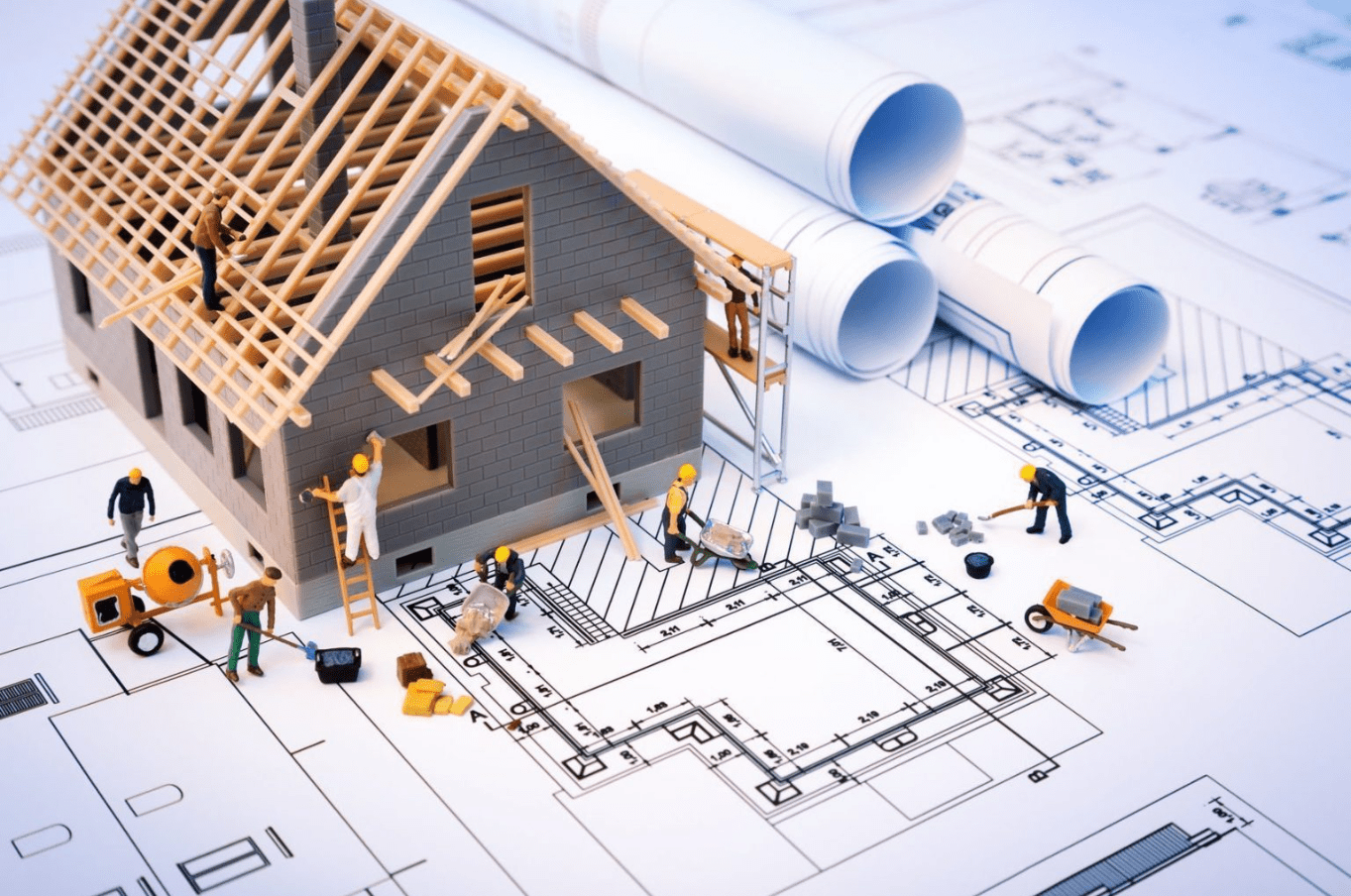
5. Construction materials: Quality lasts. For the shopping phase, even if you contracted a turnkey package, you should visit the site to check materials yourself.
Sand, stones, cement: Use Holcim or Ha Tien cement for the structural components. Use coarse yellow sand for pouring concrete and fine sand for plastering.
Thép: Use steel from Viet Uc, Pomina, Hòa Phát… Do not buy rusty, low-quality steel. Once your house rusts from the concrete core, it is very hard to fix.
Bricks: Clay bricks or unburnt bricks are fine, as long as you choose reputable brands to avoid warping and high water absorption.
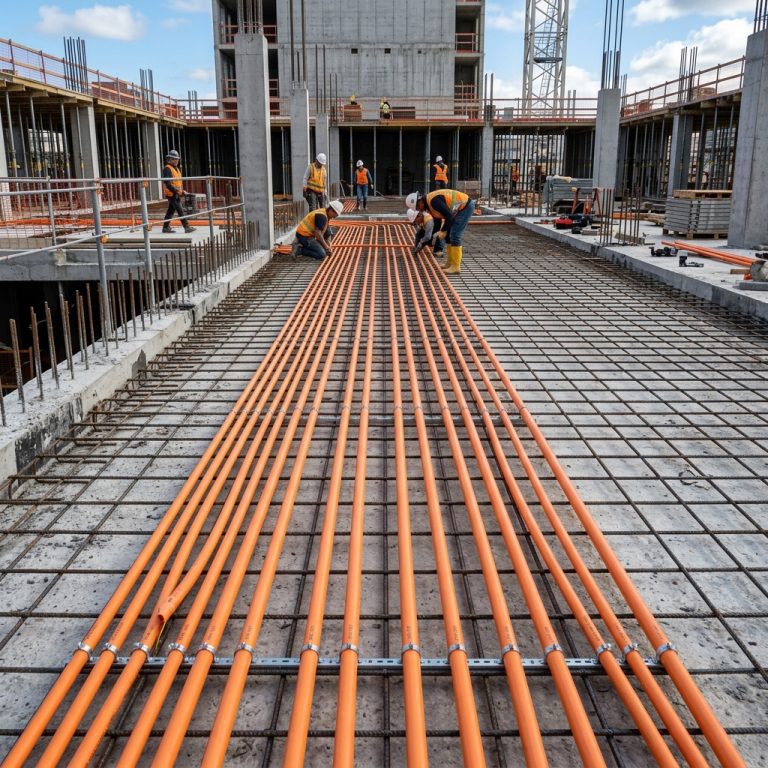
6. Structural construction: The skeleton of the house. This is when money flies fastest and you see the least visual change. Do not be discouraged. The structural phase includes: pile driving/foundation, grade beams, columns, beams, slabs, brick walls, and plumbing/electrical conduits. The most critical job is waterproofing. A leaking house loses its aesthetic value and compromises safety. You must require the supervisor and contractor to inspect waterproofing in terraces, balconies, and toilets before laying tiles. Le Tung usually handles waterproofing with torch-on membranes or cementitious additives, ensuring it is “bone dry” before moving to the next step.
7. Finishing: Transformation. The better the structural work, the more beautiful the finishing. This stage is where your personal taste shines. It includes: plastering, wall puttying, painting, tiling, installing sanitary ware, kitchen cabinets, gypsum ceilings… A small tip: if finances are tight, invest heavily in the living room and kitchen. These two spaces determine the aesthetic value of the home. Bedrooms can be kept simple and upgraded later. Do not demand walnut panels just because your neighbor has them; if it doesn’t fit the overall house design, it will look out of place.
8. Acceptance, payment & warranty. Do not be so eager to move in that you become lenient with the contractor in this final step.
Check every item: Carry the drawing and check around. Are the doors jammed? Do the tiles sound hollow when tapped? Is the water flow strong enough? Does the toilet flush smoothly? These defects must be repaired before signing the acceptance report.
As-built documentation: Require the contractor to provide as-built drawings and the home warranty certificate. Le Tung Construction has a clear warranty policy (long-term waterproofing warranty, 5-year structural warranty), which is your safety net for the future.
Ownership registration: After building, remember to update your land certificate with the actual house construction details. Many people forget this step, which causes hassles when selling the house later since the certificate still shows empty land.
Conclusion. Building a house is a long journey. It can be exhausting, but the reward is sweet. You do not need to be an architect or a structural engineer; you just need to find the right partner with heart and vision.
Le Tung Construction does not promise to turn your dream into reality overnight, but we commit to walking with you meticulously and responsibly, from the first bricks to the last coat of paint.
Do not hesitate to contact Le Tung Construction today for the best turnkey solutions matching your land!