

LÊ TÙNG CONSTRUCTION’S PERSPECTIVE
Japan’s housing finance support model and housing loan fund (JHF) offer valuable lessons for creating sustainable urban areas in Vietnam. From an architectural planning and construction perspective, Lê Tùng Construction believes that a sound financial structure will create a solid foundation for developing green, energy-efficient, and environmentally friendly housing projects at the most reasonable prices for the community.
On May 25, Deputy Minister Nguyễn Văn Sinh held a working session with the Japan Housing Finance Agency (JHF). During the meeting, Deputy Minister Nguyễn Văn Sinh provided an overview of Vietnam’s housing and real estate (BĐS) market amidst the strong urbanization, industrialization, and economic growth over recent years.
According to the Deputy Minister, Vietnam’s real estate market is currently undergoing restructuring towards healthier, more transparent, and more sustainable development. Segments with real demand, such as social housing (NƠXH), housing for middle-income individuals, industrial real estate, and real estate serving logistics infrastructure, are assessed to have significant room for growth.

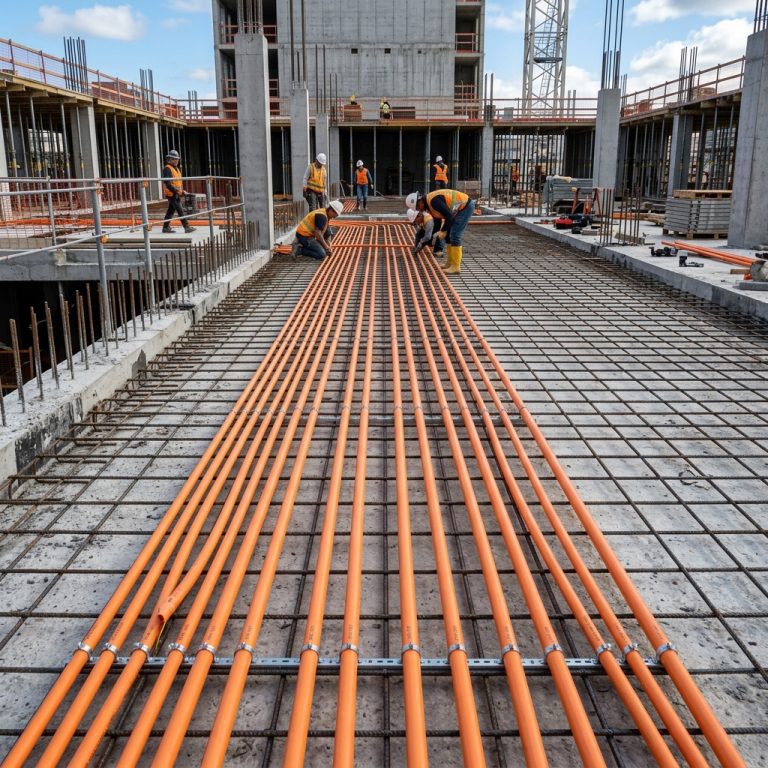
Japan’s housing loan fund planning and development model.
Information on the real estate market in Q1/2026 shows that the entire country currently has 1,362 commercial housing projects and infrastructure projects underway, totaling approximately 654,405 units/land plots. In the social housing (NƠXH) sector for low-income individuals and industrial park workers, 231 projects have been completed to date, providing approximately 180,850 apartments. In the first 5 months of 2025 alone, an additional 38 projects with over 11,200 apartments were completed.
To strengthen long-term resources for social housing (NƠXH) development, the National Assembly issued Resolution No. 201/2025/QH15 on piloting some specific mechanisms and policies for NƠXH development, including the establishment of a National Housing Fund.
According to Deputy Minister Nguyễn Văn Sinh, the National Housing Fund is oriented to operate under a model focused on investing in and creating a rental housing stock, thereby saving land resources and enabling more people to access stable, long-term housing.
Organizational Model and Operating Mechanism of Japan’s Housing Loan Fund
Currently, most rental housing in projects is converted to sales after a period, which does not ensure stability for tenants. Therefore, studying Japan’s housing fund and housing loan models is considered crucial experience for Vietnam to consult in the policy-making process.
During the working session, representatives from the Japanese Embassy and JHF provided an overview of the agency’s operational model. JHF was established in 2007, inheriting the former Japan Housing Finance Agency, with 100% investment capital from the Japanese Government and co-managed by Japan’s Ministry of Land, Infrastructure, Transport and Tourism and the Ministry of Finance.
JHF’s main activities include: supporting housing loan securitization, home loan insurance, providing and transferring home loan funds, and implementing programs to assist people in repairing, rebuilding, or purchasing new homes.
JHF representatives stated that the agency is conducting various research activities related to housing credit and policies in Vietnam, while also supporting the promotion of Japanese corporate investment in the real estate and housing sectors.
JHF also shared its experience in operating housing loan funds and programs that help people access affordable housing.
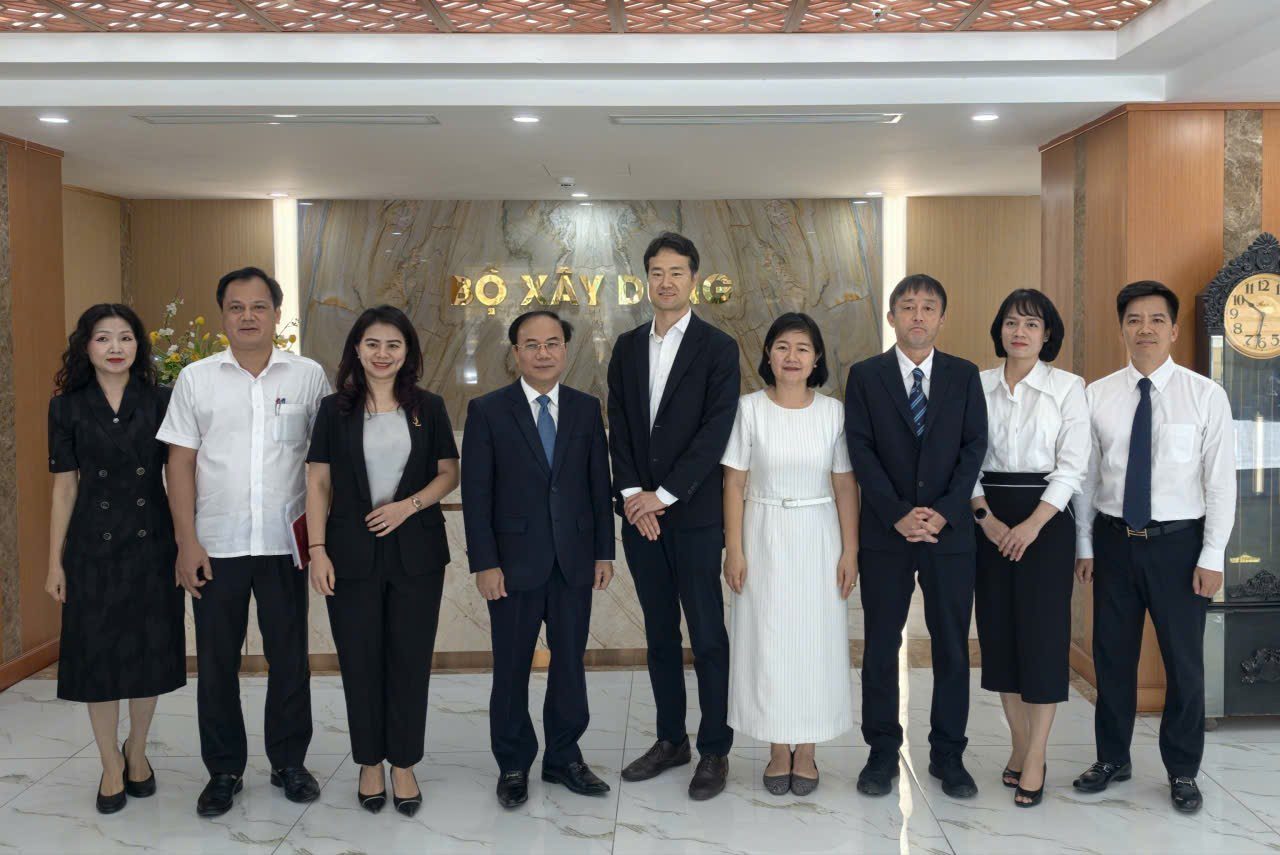
Official working session to exchange sustainable social housing development technology.
Valuable Lessons for Housing Fund Development in Vietnam
According to the Japanese side, as Vietnam prepares to establish a National Housing Fund, studying international experience will be crucial in building a model suitable for Vietnam’s practical conditions.
Additionally, JHF introduced training programs for central and local agencies related to housing development, housing credit, and green housing. The Japanese side expressed a desire to strengthen training cooperation with Vietnam in the near future.
Deputy Minister Nguyễn Văn Sinh highly appreciated the proposal to organize a training program on “Affordable Housing and Suitable Home Loans” in Japan for officials from Vietnam’s Ministry of Construction, Ministry of Finance, and local authorities.
According to the Deputy Minister, as Vietnam is amending the Housing Law and the Real Estate Business Law, studying Japan’s experience in developing low-income housing, social housing credit, and operating housing funds will be highly practical for the policy refinement process.
The Deputy Minister proposed that JHF consider expanding the participant composition of the training program to include representatives from National Assembly agencies and relevant ministries and sectors to enhance coordination effectiveness in policy development; and support organizing an inter-ministerial delegation to Japan in 2026 to conduct in-depth research on the experience of drafting the Housing Law, Real Estate Business Law, and the National Housing Fund model.
At the conclusion of the working session, both sides agreed to continue strengthening exchange and cooperation in housing development and housing credit, while promoting training activities and experience sharing to support Vietnam in improving its institutions and policies for sustainable housing development, in line with practical needs in the coming period.
Original article source: Construction Magazine