
LÊ TÙNG CONSTRUCTION PERSPECTIVE
The strong expansion of the KIDO consumer group into the large-scale food industry (owning Thọ Phát and Tường An brands) is ushering in a new era for high-tech industrial infrastructure planning requirements. From the perspective of a professional general contractor for Industrial Factories and Warehouses, Lê Tùng Construction sees this as clear evidence that production infrastructure and automated cold storage logistics supply chains are playing a core role in the success or failure of businesses.
This information was shared by Mr. Trần Kim Thành, Chairman of the Board of Directors of KIDO Group Joint Stock Company, at the shareholders’ meeting on the morning of May 28 in Ho Chi Minh City, when discussing the long-term growth strategy and the goal of making the company one of the three largest consumer food groups in Southeast Asia by 2030.
According to Mr. Trần Kim Thành, KIDO is reorganizing the group by product category instead of operating under a centralized model as before. The goal is to clearly reflect the efficiency of each business segment, help investors value the company more easily, and create room for long-term growth.
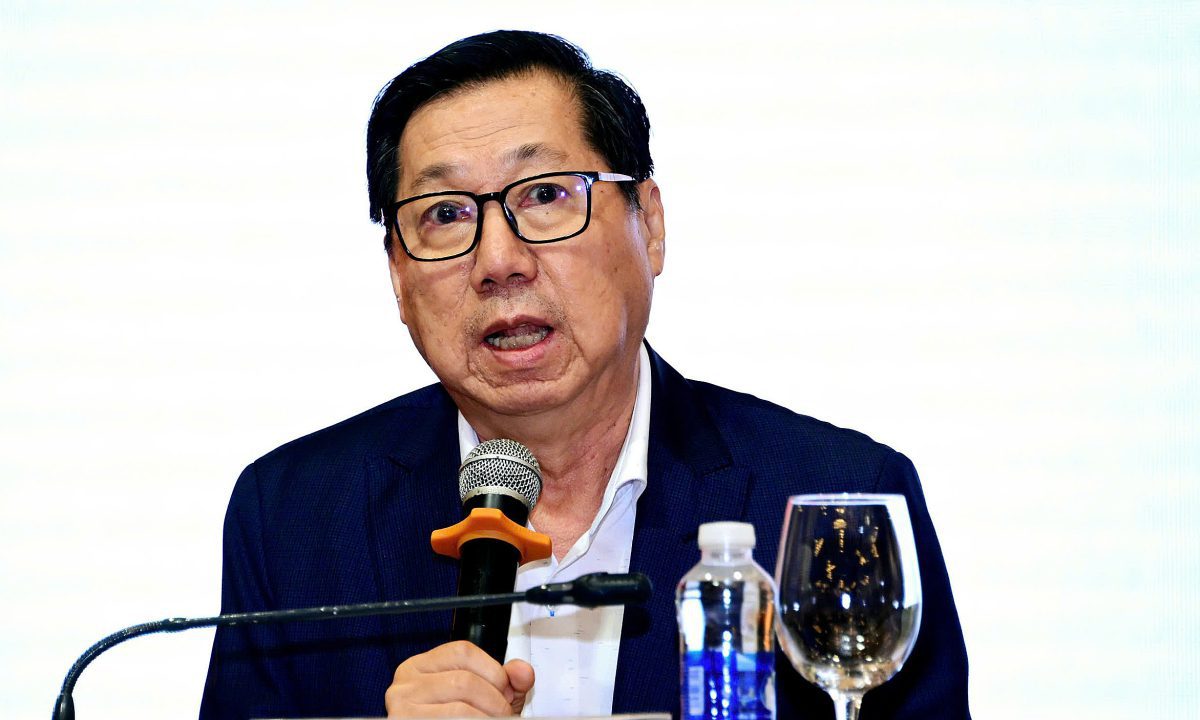
KIDO Group’s leadership answers shareholders’ questions at the May 28 meeting. Photo: KIDO
In the restructuring roadmap, the edible oil and food segments will be organized into more specialized units. According to company leaders, after the restructuring is completed, companies like Tường An will return to the exchange, while Thọ Phát will be listed for the first time, allowing shareholders to choose to invest in specific sectors.
In the edible oil segment, KIDO announced it would continue restructuring to improve operational efficiency and increase linkage in the value chain. According to the plan approved by shareholders at the 2026 annual general meeting on May 28, Tường An is expected to be restructured to become the center of the edible oil industry chain within the KIDO ecosystem.
KIDO Group’s Strategy to Reshape the Consumer Goods Ecosystem
After restructuring, KIDO will own at least 97% of Tường An’s capital, while Tường An will hold at least 93% of Vocarimex’s capital, and Vocarimex will own 99% of KIDO Nhà Bè’s capital.
To implement this plan, Vocarimex will transfer its entire capital in Tường An, while KIDO will transfer KIDO Nhà Bè shares to Vocarimex or a third party at a price no lower than the investment cost. Concurrently, Tường An is expected to conduct a private placement to KIDO to swap Vocarimex shares, thereby increasing its charter capital from 338.8 billion VND to 3,188 billion VND.
Parallel to restructuring, KIDO continues to expand its value chain in the essential food industry through a cooperation model instead of self-investing from scratch. According to Chairman Trần Kim Thành, the group prioritizes cooperation with businesses that have production capacity but are not strong in distribution, to shorten market expansion time.
Under this model, partners focus on production, while KIDO handles branding and distribution systems. The company stated it is expanding cooperation in essential foods, frozen steamed cakes, and frozen foods.
Roadmap for Listing Tường An and Thọ Phát on the Stock Exchange
In its 2026 business plan, KIDO targets revenue of approximately 12,000 billion VND, not including contributions from some new product categories expected to launch. The group expects profit to exceed 700 billion VND.
The leadership assessed that geopolitical tensions in the Middle East, especially concerning Iran, could impact oil prices and logistics costs, but the effect on KIDO is not significant due to its brand advantage and cost management capabilities.
In addition to its business strategy, KIDO also updated the progress of several real estate projects that are completing legal procedures, such as the 17-hectare complex project in Phú Thuận ward, the 436 Nơ Trang Long land plot (Bình Lợi Trung ward), and the 8-12 Lê Duẩn project.
According to CEO Trần Lệ Nguyên, the 17-hectare project in Phú Thuận ward is undergoing procedures to convert from equitized land to commercial land according to the Resolution on mechanisms allowing equitized enterprises to change land use purpose.
Optimizing Production Scale and Enhancing Competitiveness
Meanwhile, the 8-12 Lê Duẩn project is being processed by KIDO in coordination with relevant departments and the Ho Chi Minh City People’s Committee to finalize the dossier. The company expects early approval from authorities to proceed with implementation.
KIDO leaders stated that real estate projects cannot record profits in 2026 as they are still completing procedures according to State regulations. If approved on schedule, the company expects projects to see significant progress from late this year or enter an accelerated phase in 2027.
In addition to business operations, KIDO announced it is training all staff in AI and plans to apply this technology in internal management as well as support the sales team based on years of accumulated data.
Responding to shareholders’ questions about the sharp sell-off of shares at the end of May, CEO Trần Lệ Nguyên stated that this is a normal market fluctuation, possibly due to portfolio restructuring by foreign funds or capital shifts. The leadership affirmed its focus on internal growth, market share expansion, and maintaining financial efficiency rather than intervening in share price movements.
Original article source: VnExpress