

HOUSE BUILDING PREPARATION GUIDE: 15 “KNOTS” THAT MUST BE UNTIED BEFORE GROUNDBREAKING
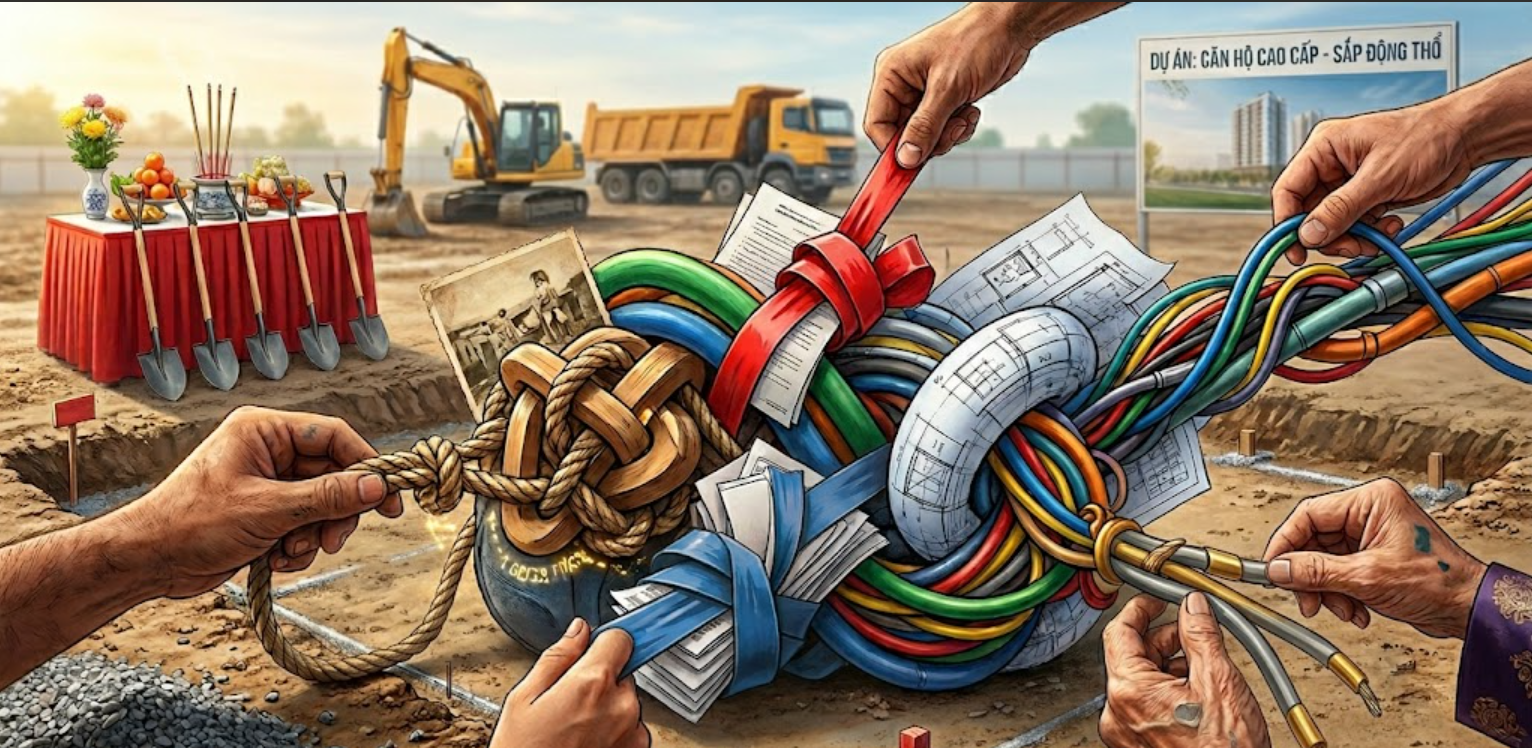
It is often said that building a house is one of the three most important milestones in a person’s life. Yet, many of us rush into it like headstrong youth, only to realize in panic when construction is in full swing that we have overlooked countless critical factors. Do not let billions of VND go to waste only to be left with regrets. Le Tung Construction has witnessed all kinds of “bittersweet” situations and summarized the 15 vital considerations below. Please read them very carefully before laying the first bricks.
1. Do not underestimate age and house direction. “Worship has its piety, avoidance has its health.” No matter how modern you are, do not skip checking the groundbreaking age and house direction. This is not superstition, but the way our ancestors summarized the harmony between humans and nature. A house facing a direction that catches cool breezes, avoids harsh sunlight, and matches the owner’s age will bring peace of mind and comfort. Finding a mindful feng shui consultant is a smooth starting point for the long journey ahead.
2. Keep finances clear, avoid overspending. The biggest mistake homeowners make is estimating costs roughly. You need a detailed checklist of every item: from design, structural construction, finishing, interior decoration to permit fees, utilities, and even groundbreaking ritual expenses. And the unwritten rule is to always have a contingency fund of at least 20-30% of the total budget. Unexpected costs are standard in construction. If you choose a turnkey package service, you will have fewer headaches since everything is clearly contracted, minimizing unforeseen expenses.
3. Reference styles, but do not be greedy. Before meeting the architect, take time to look around at friends, relatives, and social networks to see what you actually like. Minimalist modern, luxurious neoclassical, or nostalgic Indochine? The more you look, the more reference you have for your dream home. But remember one thing: do not try to squeeze everything beautiful you see into one house. It will turn into a mess. Let the architect help you filter and moderate.
4. Harmonious family decisions. A home is a nest for everyone, not just yourself. Do not make all decisions on your own, only to have your spouse and children complain after completion because the rooms are not as they wanted. Organize a family meeting to listen to each member’s desires, especially regarding private spaces. Consensus from the start ensures the house is truly a place everyone wants to return to.
5. You are the developer, but be a refined owner. You pay the money, and you have the final say. But do not turn yourself into a difficult boss who always assumes they are right. Respect the professional expertise of the architect and contractor. They will give you logical advice on techniques, materials, and functions that you might not fully foresee. A collaborative and harmonious relationship makes the entire building process lighter and the results more satisfying.
6. Legal procedures: Complicated but necessary. Only start construction after obtaining the building permit. This is an absolute rule. Do not listen to anyone advising you to “build without a permit, then pay a fine later,” because the risk of having construction suspended midway is extremely high. Ensure your land has a clean title, aligns with local zoning, and the permit application is prepared by a qualified legal entity. Once construction is complete, do not forget the ownership registration (hoàn công) to legalize your house on paper.
7. Finding the right architect: Trust the experts. A good architect does not just draw a pretty house. They realize your ideas within your budget, ensuring functions, structural safety, and feng shui elements. They help you avoid silly mistakes in spatial layout and suggest unexpected cost-saving solutions.
8. Selecting a contractor: Better safe than sorry. This is probably the phase that causes the most sleepless nights. Do not just look at the cheapest bid. Scrutinize their portfolio, visit their completed works, and ask former clients. A decent contractor will provide a clear contract and a detailed quote down to every type of material. When reading the contract, do not hesitate to ask for clarification on any ambiguous terms.
9. Construction supervision: Delegate but do not neglect. No matter how busy you are or how much you trust the contractor, regular supervision is still necessary. This can be you, a relative with expertise, or an independent site supervisor. Having close monitoring allows you to detect discrepancies from drawings or technical defects early for prompt correction, avoiding future regrets.
10. Materials: Do not end up losing money and getting poor results. If you purchase materials yourself, take the time to compare prices at a few suppliers, prioritizing those near the site to reduce transportation costs. More importantly, have clear agreements on types, quality, and delivery schedules. If you choose a turnkey package, the contractor handles this, but you should still check if the delivered materials match the signed contract appendix.
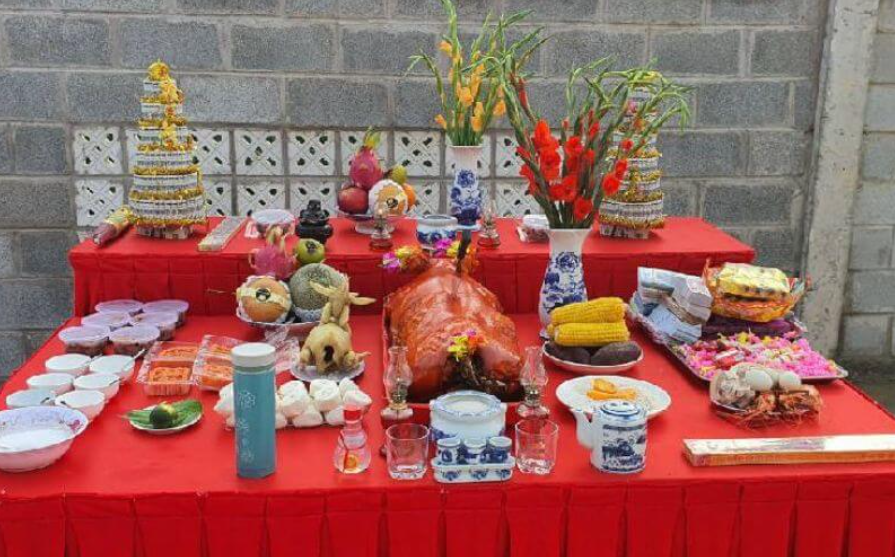
11. Spiritual practices: How to perform groundbreaking rituals correctly? Choose an auspicious day and time that matches the owner’s age. The offerings can be simple or elaborate depending on local customs, but the most important thing is sincerity toward the local deities. After the ritual, the owner or the person whose age is borrowed should make the first strikes with a shovel, declaring it to the deities before the builders start work.
12. Site preparation: Small but significant tasks. Cleaning the site, clearing vegetation, demolishing old structures, gathering materials, setting up temporary worker housing, and installing temporary electricity and water… These are small tasks but can easily lead to disputes with the contractor if not agreed upon beforehand. Who handles them? What is the cost? This must be stated clearly in the contract.
13. Structural building: Constructing the “skeleton” of the house. This stage includes foundation work, pouring columns, beams, slabs, and building walls. This is the main load-bearing structure, which determines the safety and lifespan of the house. Pay special attention to the quality of steel, concrete grade, and execution techniques. Do not cut corners here for a cheaper price. Everything must strictly follow the engineering drawings and comply with building codes.
14. Finishing: Dressing up the house. Once the structural part is dry and solid, you will start choosing tiles, paint, sanitary ware, doors, stairs… Le Tung’s advice is to prioritize harmony and practicality. A beautiful house does not need too many fussy details; it needs consistency from colors to materials. Visualize how you will live in that space to place switches and sockets conveniently.
15. Use and maintenance: Quality lasts with care. Moving into a new house is exciting. But remember that a house is like a living organism that needs periodic care. Use the spaces as originally designed. Frequently check areas prone to damage, such as metal roofs, drainage systems, settlement joints, and waterproofing. Resolving small issues early saves you from major repair costs and keeps your home beautiful over time.
Building a house is a long journey full of emotions, from excitement and worry to exhaustion. We hope these 15 considerations help you start smoothly and finish successfully. If you need a mindful and professional partner, do not hesitate to contact Le Tung Construction. We are ready to listen and help you build your dream home in the most stress-free way.