
INTERIOR WOOD SELECTION GUIDE: DECODING 6 MOST POPULAR ENGINEERED WOOD CORES
Once the structural build is finished, the “soul” of the living space lies in the interior. When it comes to modern interiors, engineered wood is king. But engineered wood is a vast world; it’s not all the same just because the surface looks good. When browsing materials, hearing terms like MDF, MFC, HDF, Plywood… does it make your head spin?
Understanding this dilemma, Le Tung Construction shares an easy-to-understand guide on the 6 most common engineered wood cores. Knowing each core’s traits helps you choose the right material that is durable, beautiful, and budget-friendly.
MFC (Melamine Faced Chipboard) – The budget-friendly choice for rental properties
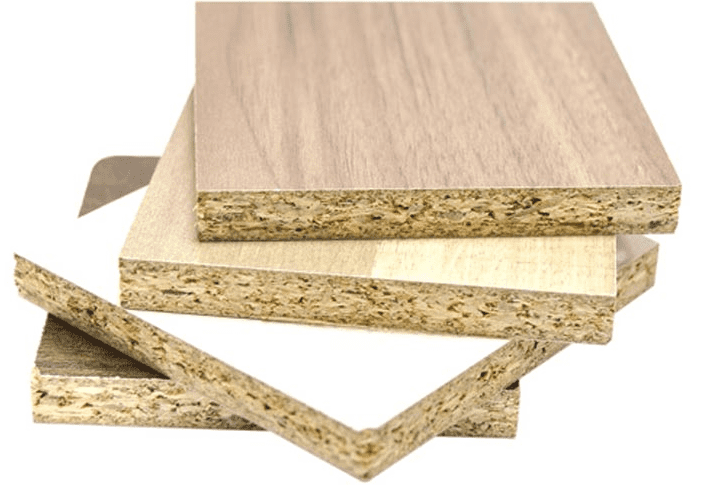
This is the cheapest and most common type. It is made from chopped branches and twigs, mixed with glue, pressed into boards, and finished with a colorful Melamine layer.
Characteristics: Lightweight, comes in many colors, and has decent scratch resistance. However, its fatal flaw is that it is highly “afraid of water.” Long exposure to moisture causes it to swell and warp beyond repair.
Ideal locations: Absolutely dry areas like wardrobes, TV stands, and desks. It is especially suitable for rental apartments or student rooms due to its low cost.
Le Tung’s experience: If anyone advises you to make a kitchen cabinet using standard MFC, say no immediately. But for items with minimal water exposure, it is an economical choice.
MDF (Medium Density Fiberboard) – The versatile national candidate
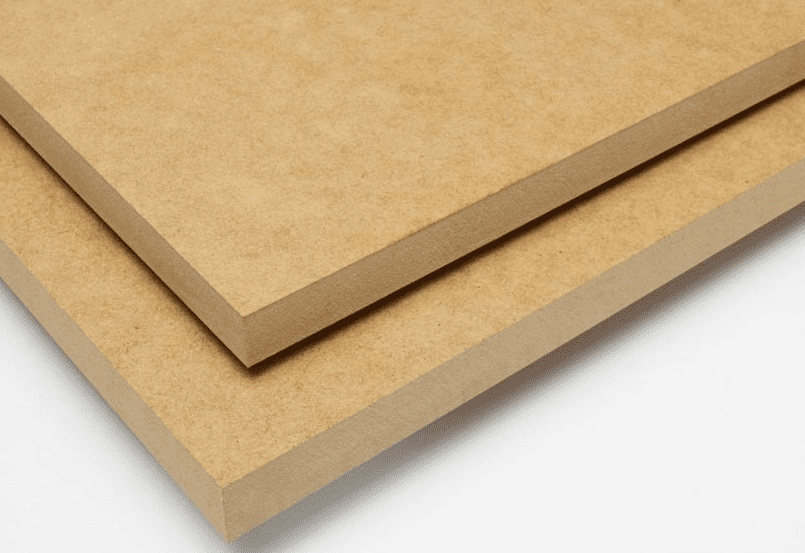
Unlike MFC, MDF is made from finely ground wood fibers pressed tightly, resulting in a surface smooth as baby skin. This makes it an excellent base for premium finishes like Veneer, Laminate, or Acrylic.
Strengths: Better load-bearing capacity than MFC, holds screws tightly, is easy to shape, and yields very flat, beautiful products.
Weaknesses: Standard MDF is as sensitive to water as MFC. Fortunately, moisture-resistant MDF (green core) is available to save the day in mildly damp areas.
Ideal locations: The star of wardrobes, kitchen cabinets (using the green core version), dressing tables, doors, and wall paneling.
Le Tung’s experience: This is the most balanced choice between quality and cost for most families. When ordering kitchen cabinets, make sure to specify moisture-resistant green core MDF!
HDF (High Density Fiberboard) – The sturdy elder brother of MDF
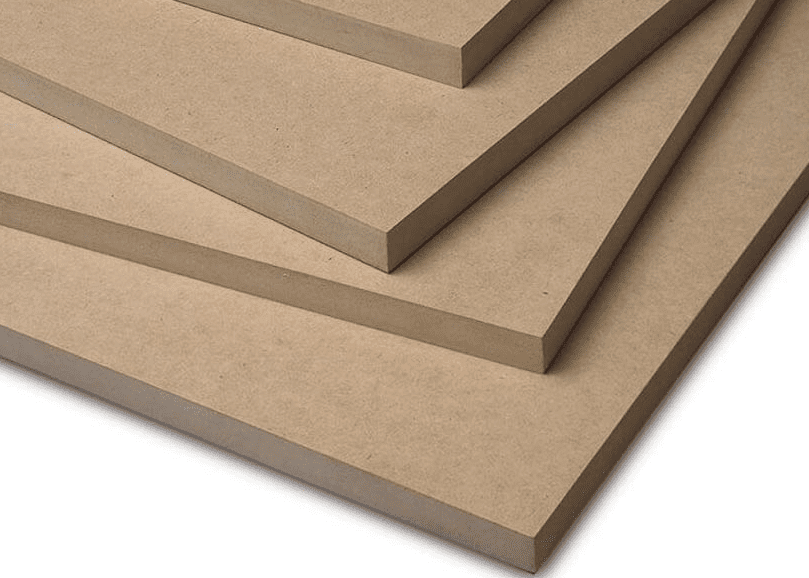
HDF is an upgraded version of MDF. It is pressed with higher density and pressure, making it denser, heavier, and harder. Think of MDF as sponge cake and HDF as biscuits.
Characteristics: Sturdy, holds loads and resists moisture better than standard MDF, with decent soundproofing. The price is also slightly higher.
Ideal locations: Places that require durability and a solid feel, such as entry doors, engineered wood flooring, and living room partitions.
Le Tung’s experience: If you want your bedroom door to feel heavy and close with a solid click rather than feeling flimsy like in a boarding house, choose HDF.
Plywood – The waterproof warrior for all fronts
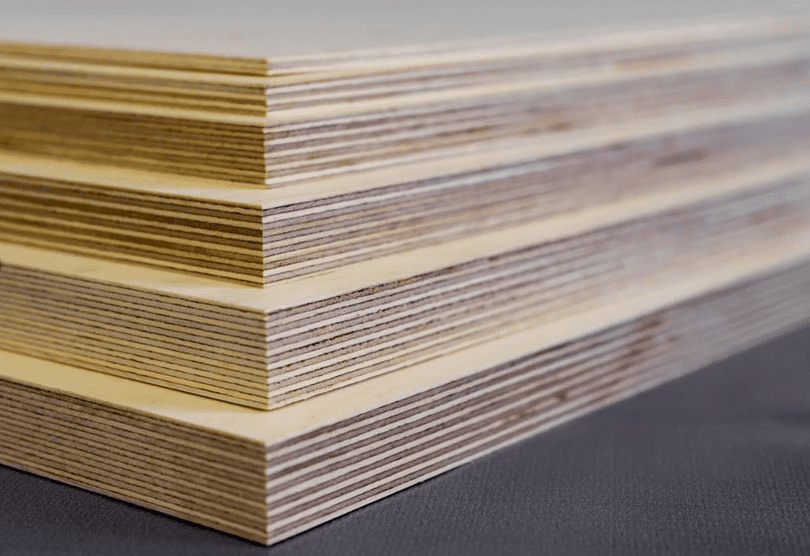
Plywood is the most “natural” hybrid wood in the engineered wood family. It is encoded from multiple thin wood veneers glued together in alternating perpendicular directions, similar to stacking sheets of spring roll wrappers. This structure creates extraordinary strength.
Strengths: Excellent load-bearing capacity, holds screws beautifully, and most importantly, offers superior moisture resistance—even better than green core MDF.
Drawbacks: Higher cost, and requires skilled craftsmen to finish the edges beautifully.
Ideal locations: The king of lower kitchen cabinets, heavy-duty tabletops, and mezzanine floors. Wherever there is regular water contact and heavy loads, think of Plywood.
Le Tung’s experience: Do not hesitate to invest in Plywood for the lower kitchen cabinet frames. It will survive years of heavy pots, pans, and dishwashing water.
PVC Foam – The terminator of water and termites
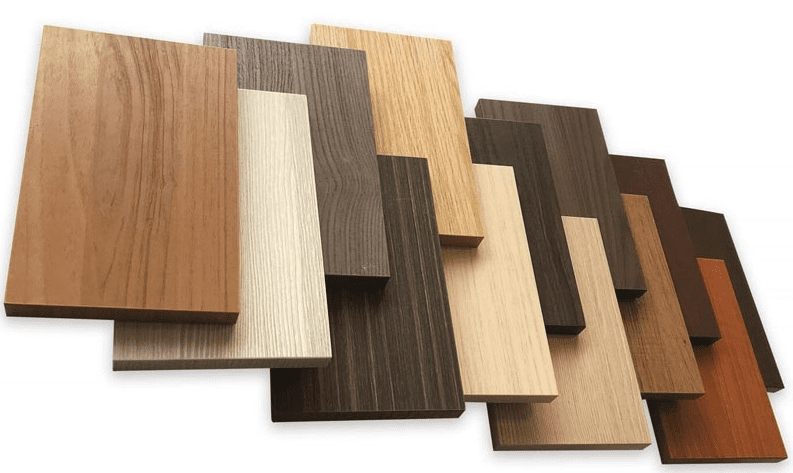
This is a modern material—”wood” that contains no wood at all. Its core is made from PVC plastic, meaning it inherits absolute waterproofing.
Characteristics: 100% waterproof, termite-proof, warp-free, and super lightweight. However, its load-bearing capacity is not as good as Plywood or MDF.
Ideal locations: Vanity cabinets in bathrooms, lower kitchen cabinets in ultra-damp zones, public bathroom furniture, or homes with a termite phobia.
Le Tung’s experience: If your home is in a low-lying, damp area, or you simply want your sink vanity cabinet to be “immortal” against water, PVC Foam is your perfect match.
Finger Joint Board (Natural Engineered Wood) – Natural beauty at a softer price
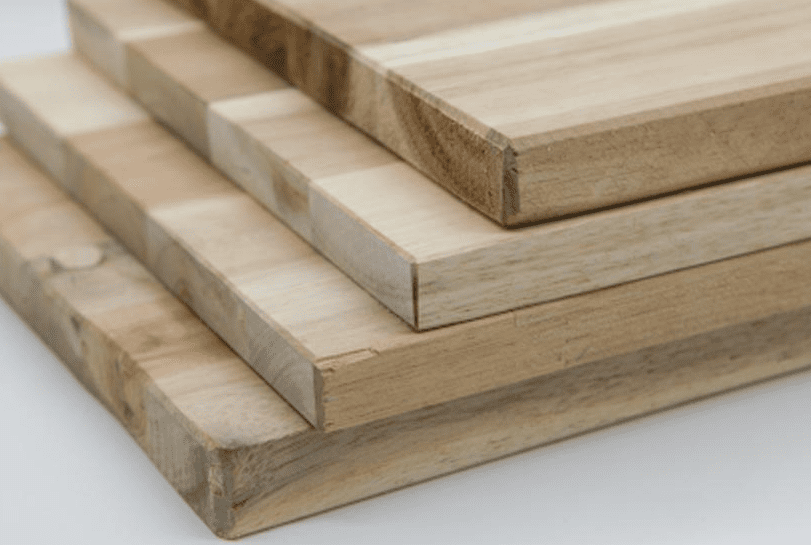
This type is created by joining small natural wood strips (rubberwood, acacia, oak…) together with glue. It retains the beautiful grain and warm feel of natural wood.
Vibe: Beautiful, elegant, sturdy, and environmentally friendly.
Key notes: Higher cost than fiber-based engineered woods. If not seasoned and kiln-dried properly, it can still shrink or fall victim to termites.
Ideal locations: Dining tables, stair steps, beds, and natural wood doors. Places where you want to showcase natural beauty.
Le Tung’s experience: You want a dining table that is both beautiful and “classy,” but your budget doesn’t allow for solid slab wood? Finger joint board is the answer.
“Trust the experts” – Le Tung’s quick selection tips
Wet areas (kitchen, bathroom): Priority #1 is Plywood or PVC Foam. A more economical alternative is moisture-resistant green core MDF.
Load-bearing areas (doors, tabletops): Plywood, HDF, or Finger Joint Board.
Dry, high-visibility areas (living room, bedroom): MDF faced with Melamine or Laminate is a sensible choice. If you want a more luxurious feel, choose MDF faced with Veneer or Finger Joint Board.
Maximum budget saving: MFC.
Hopefully, this short guide helps you feel more confident as you dress up your home. Do not let flashy looks fool you; select the right core wood to ensure your furniture remains durable and beautiful over time. If you are still unsure, just call Le Tung Construction—we are always happy to advise you in detail!