


HOUSE RENOVATION GUIDE: 10 COSTLIEST “SLIPS” AND HOW TO AVOID THEM
Renovating a house is different from building a new one. While building new is drawing on a blank page, renovating is like plastic surgery on an old body. Every incision must be carefully calculated, because cutting the wrong way leads to long-lasting consequences. Le Tung Construction has met many homeowners facing regrets just because of a few subjective decisions. Here are the 10 most classic mistakes we have witnessed. We hope you will keep them in mind to avoid going the wrong way.

1. Thinking “just a little work” means no plan is needed. This is mistake number one. Initially, you only plan to repaint the living room wall. But when the painters arrive, you suddenly feel the floor tiles are a bit outdated, and the gypsum ceiling has turned yellow. Thus, the “little work” suddenly turns into an unplanned major overhaul. Without an overall plan, you will end up working as you go, with money disappearing without warning. Le Tung’s experience: Even for small repairs, sit down and list everything you dislike in the house. Then categorize them into what needs to be done immediately and what can wait. Stick to this list, and you won’t be driven by impulses to the point of bankruptcy.
2. Estimating budget based on emotions. We often joke that some estimates are “as optimistic as Disney movies.” Homeowners usually calculate only tiles, paint, and main labor, forgetting items that are “small but heavy”: transport, debris disposal, and unexpected things like finding a termite nest in the wall or realizing the old water pipes are rotten and need immediate replacement. Le Tung’s experience: Always have a contingency fund of at least 15-20% of the total estimated cost. This is not for lavish spending but is a lifesaver for unexpected situations. With it, you won’t panic when mandatory unexpected tasks arise.
3. “Why would I need a permit to fix my own house?” Quite a few people think simply that they can do whatever they want with their house. But the law is not that simple. If you knock down walls, alter structures, add floors, or expand without a permit, local officials might visit one fine morning and ask you to halt the entire project. The consequence: fines, and potentially being forced to restore the original state, which is a massive waste of money. Le Tung’s experience: For painting, tiling, or changing doors, you don’t need to worry. But once you touch load-bearing structures or change the architectural shape, apply for a renovation permit. A decent contractor will handle this tedious legal step for you.
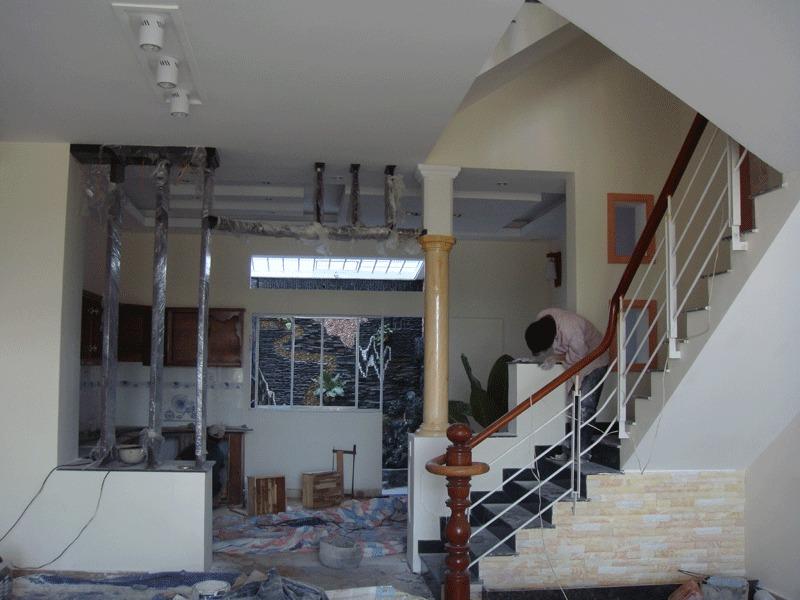
4. Splurging on cheap materials like buying items on sale. Browsing construction materials and looking only for clearances and liquidation will soon lead to regrets. A bag of cement cheaper by a few ten-thousand VND or a “clearance” paint can could end up costing you tens of millions in repairs after a few years because of cracked walls and peeling paint. A house is meant to last for decades, not a one-time use item. Le Tung’s experience: Choose materials from reputable brands with clear origins. If you are not sure, ask the contractor to provide a detailed material list with brands and origins for you to check. Do not just look at the final number on the quote and ignore its core quality.
5. Repairing patch-by-patch (fixing only where it hurts). A house is a unified system. You cannot renovate the living room in a luxurious Indochine style while leaving the kitchen damp and rustic. Lacking an overall design, even a simple one, will turn your house into a disjointed mess. Repairing small parts separately does not save money; it just turns your home into a patched coat. Le Tung’s experience: Ideally, you should have a rendering or at least a moodboard to shape the overall style. This helps everything from paint colors to door styles and tiles coordinate together, creating a harmonious whole.
6. Hiring “village workers” for a cheap price – a sweet dream but a long-term nightmare. This is so common it has become a legend. Hiring freelance workers without a contract, supervision, or warranty seems like a cost saver at first. But when tiles sound hollow, walls leak, or pipes drip, and you try calling them back, they disappear. In the end, you spend even more money to hire a professional team to patch the errors. Le Tung’s experience: Work with a registered company that provides a proper contract. The contract must state the schedule, material types, and warranty terms clearly. It might cost a bit more, but it is the price for long-term peace of mind.
7. Forgetting the “blood vessels” of the house: electrical and water systems. This is an extremely painful mistake. Many people renovate their houses focusing only on superficial beauty—new paint, new ceilings—but reuse the old electrical wiring and plumbing that has been in the walls for decades. A few months later, the walls crack due to plumbing leaks, or the breaker keeps tripping from overload. Repairing then is even more painful because you have to break down the newly finished parts. Le Tung’s experience: During renovation, even if it costs more, invest in replacing or upgrading electrical and water systems. This is a case of “the more thorough, the more peaceful,” ensuring long-term safety and comfort for your family.
8. Underestimating feng shui elements. Feng shui is not superstition; sometimes it is the accumulation of living experiences. Placing the stove in a drafty spot, putting the bed directly facing the toilet door, or designing stairs pointing straight out the main entrance are not only taboos in feng shui but also cause discomfort in daily activities. A home that does not align with feng shui can make owners feel inexplicably uncomfortable. Le Tung’s experience: Consult an architect who understands residential feng shui from the start. They will help layout spaces that are practical in function and balanced in terms of energy, light, and air circulation.
9. Being overly confident and thinking “I know it all.” Watching a few videos online and reading some articles, then trying to design and direct the workers yourself might seem cool. However, architects and engineers have the professional expertise to see issues you might miss. You may know what you want, but specialists know if it is technically feasible and cost-effective. Le Tung’s experience: Treat specialists as partners, not just employees. Share your desires and budget, and they will recommend the best solution within those limits.
10. Treating contracts as just pieces of paper. This is the most disastrous mistake and the root of all disputes. A handshake, a Zalo message, a verbal promise… all can disappear when problems arise. A sloppy contract that doesn’t specify material types, payment schedules, and breach penalties is a breeding ground for disputes. Le Tung’s experience: Everything must be documented in writing in the contract: what to do, what materials to use, when to finish, how to pay, and how the warranty works. A detailed contract is a shield protecting both parties’ rights.
Renovating a house is a journey of many decisions, and mistakes are avoidable if you have enough information and preparation. Hopefully, these 10 tips from Le Tung Construction help you feel more confident on your home improvement journey. If you need a professional and understanding partner for your upcoming renovation project, do not hesitate to contact Le Tung Construction for dedicated consulting!