

ANTI-CRACKING MESH: THE INVISIBLE ‘ARMOR’ FOR YOUR HOME’S WALLS
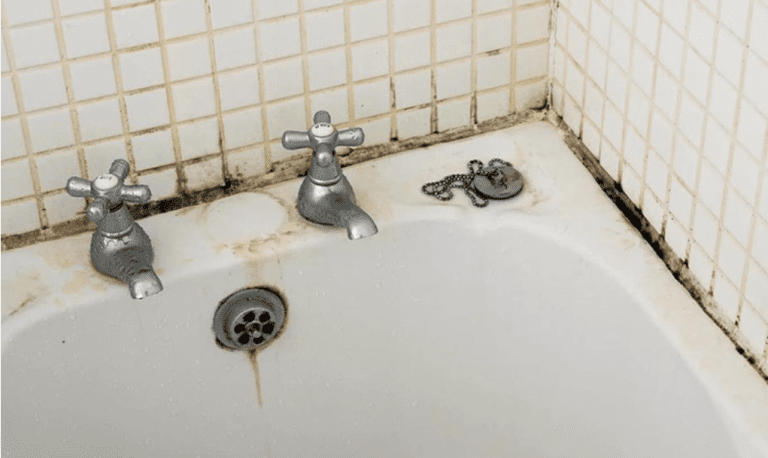
Many homeowners share a common “obsession” after moving into a new house: tiny hairline cracks and long, winding fissures appearing on walls, especially at column corners, window edges, or the junction between walls and beams. A newly built house showing signs of deterioration is both aesthetically displeasing and structurally concerning. The “culprit” is often not poor quality concrete, but rather the oversight of a seemingly minor yet critically important detail during the rough construction phase: the installation of anti-cracking mesh.
What makes anti-cracking mesh so ‘miraculous’?
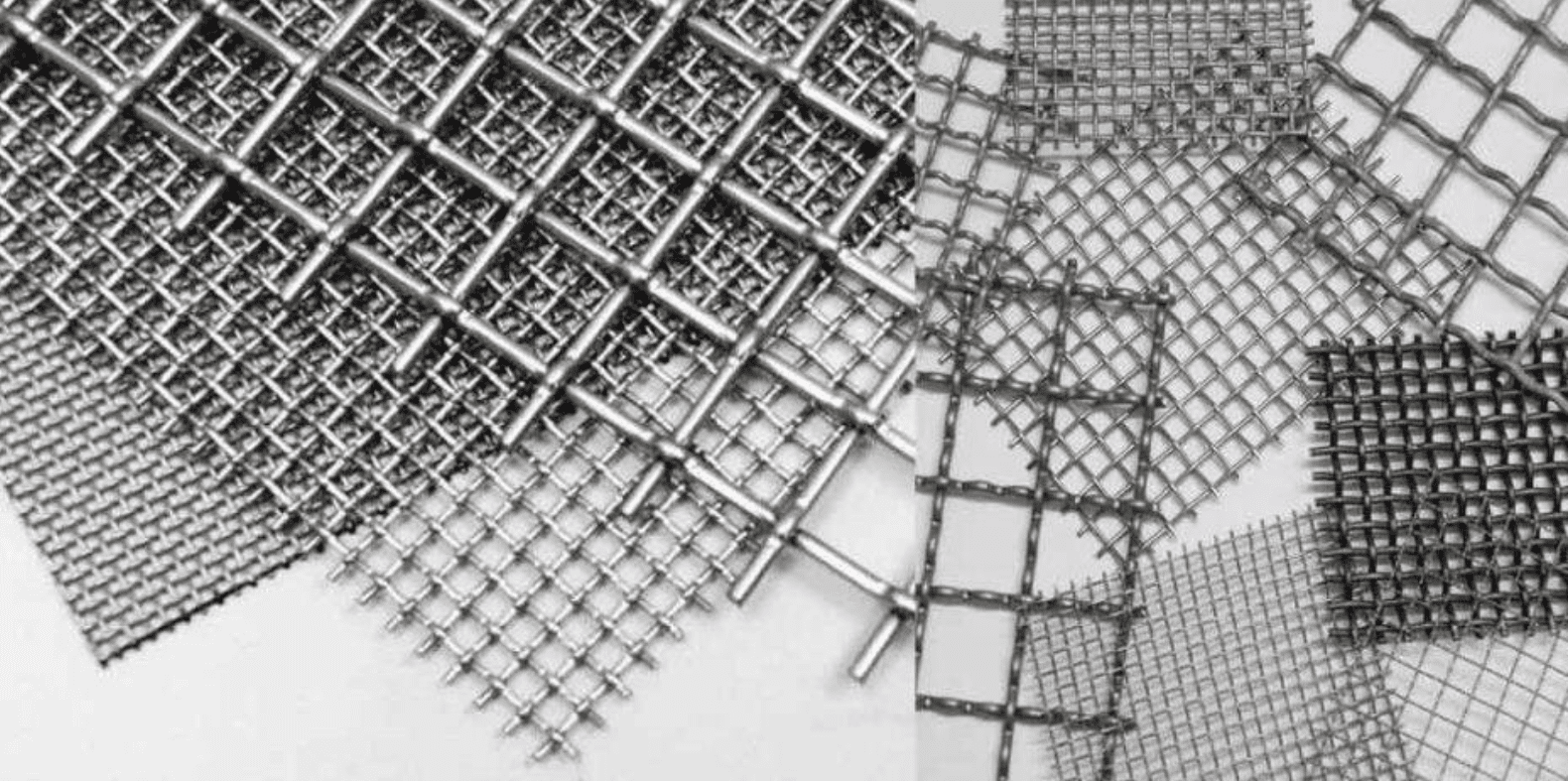
Imagine anti-cracking mesh as a thin, lightweight steel mesh with interwoven rhombus-shaped openings. It’s coated with a layer of zinc to prevent rust. In construction, this seemingly simple mesh acts as an “invisible armor.” When applied to “sensitive” areas on walls before plastering, it will help to distribute stress, enhance adhesion, and strengthen the bond for the mortar layer, preventing cracks from appearing.
Why do your walls keep cracking despite being built “solidly”?
The primary cause of wall cracks often stems from differential shrinkage between various materials (e.g., concrete columns and brick walls), or from external forces and minor vibrations during use. The most “critical” areas prone to cracking include:
Joints between brick walls and concrete columns/beams.
Corners of window and door frames.
Locations of concealed electrical and water pipes.
Without anti-cracking mesh, these areas will show cracks after only a short period. Initially, they are tiny hairline cracks, but over time they will develop into large fissures, allowing rainwater to penetrate easily, causing paint to peel, and leading to severe aesthetic damage.
Undeniable Benefits
The “Nemesis” of Wall Cracks: This is its primary function. Anti-cracking mesh helps to disperse stress, preventing cracks from forming and developing.
Extends Aesthetic Lifespan: Walls remain smooth and flat, free from “fish skin” cracks, helping the house retain its original beauty for many years.
Fast Installation, Low Cost: Compared to the cost of repairing a cracked wall, the expense for anti-cracking mesh and its application is negligible.
Standard Installation Process for a ‘Conscientious’ Contractor
To maximize its effectiveness, anti-cracking mesh needs to be installed correctly. This is also a “golden criterion” for evaluating whether a contractor works diligently. The standard process will be:
Surface Preparation: Clean off dust and debris, chip away any excess or rough concrete at the application site.
Positioning: Accurately mark the “key” positions requiring reinforcement: column bases, wall tops, around door frames, concealed pipe routes.
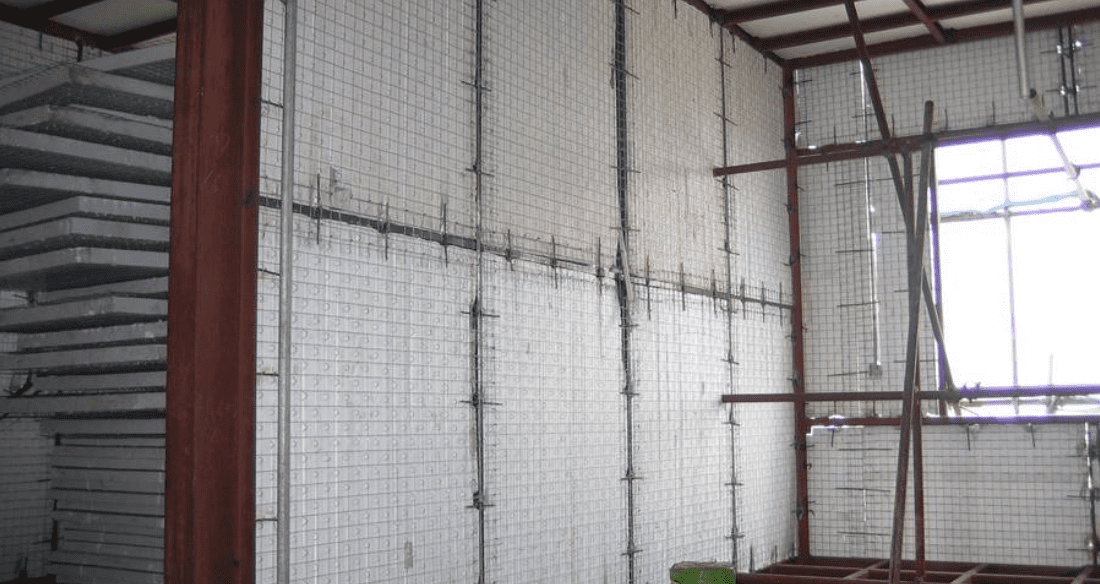
Securing the Mesh: Cut the mesh to the appropriate size, use screws or steel staples to firmly secure the mesh in the middle of the joint.
Applying a Primer Coat: Apply a thin layer of cement slurry over the mesh to create maximum adhesion between the mesh and the subsequent plaster layer.
Finishing Plaster: Proceed with plastering the wall as usual. An important note is to ensure the mesh is fully embedded within the plaster layer, not exposed.
Building a home is a journey, and quality lies in the smallest details. A beautiful home is not just about glamorous architecture, but also about durability over time. The proper use of anti-cracking mesh is a clear testament to a contractor’s integrity and professionalism. Le Tung Construction always prioritizes homeowners’ peace of mind and long-term benefits, committed to meticulous execution down to the smallest detail.