
LÊ TÙNG CONSTRUCTION PERSPECTIVE
Bắc Ninh continues to maintain its position as a leading hub for foreign direct investment (FDI) in the North, driving enormous demand for the construction of international-standard industrial factories and high-end expat urban areas. Lê Tùng Construction shares expert opinion: To meet the stringent expectations of foreign investors (such as Samsung, Foxconn), contractors in Bắc Ninh need to possess international-standard design capabilities, absolutely safe construction methods, and highly professional progress control processes.
At the kick-off event for phase 2 of the Hồng Hạc City project on the morning of May 27 in Hanoi, Assoc. Prof. Dr. Tran Kim Chung – former Deputy Director of the Central Institute for Economic Management Research – spent significant time analyzing the trend of Hanoi’s urban expansion north of the Red River and its impact on the real estate market in the Northeast region.
According to him, the master plan, which positions the Red River as a development axis, is opening a new cycle for the Northern region, similar to the role Thăng Long Boulevard played for western Hanoi about 30 years ago.
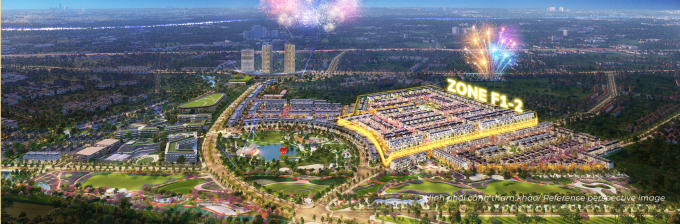
Perspective of Hồng Phát subdivision at Hồng Hạc City in Bắc Ninh. Photo: Phú Mỹ Hưng
“We are in a unique moment,” he said when referring to the changes in the Capital Region’s master plan. From a market perspective, the expert believes that Bắc Ninh is converging 5 factors that could boost its real estate in the coming period.
First is its gateway location and regional connectivity. Bắc Ninh not only benefits from Hanoi’s infrastructure and decentralization needs but is also situated within the population movement from Northern and Northeastern provinces due to the dynamic development of the Northeast region. This locality lies on major economic corridors such as Hanoi – Hai Phong – Quang Ninh and Hanoi – Bắc Ninh – Bac Giang – Lang Son, while also offering convenient connections to the Northern logistics system and the Chinese market.
According to Mr. Chung, the Northeast region is gradually forming “a continuous cluster of cities,” with localities like Đông Anh, Gia Lâm, Bắc Ninh, Thuận Thành, and Phố Nối becoming increasingly interconnected in terms of transportation, labor, and investment flows.
The second driving force comes from the FDI wave. The Northern region is emerging as an alternative destination in the global supply chain shift. 6 out of 10 localities nationwide in cumulative FDI attraction, as of April 2026, are located in the Northeast and Red River Delta regions, including Bắc Ninh, Hanoi, Hai Phong, and Thai Nguyen.
Synchronized inter-regional transport infrastructure connecting Hanoi Capital – Bắc Ninh
What’s noteworthy is not just the scale of capital but also the quality of investment flows, with many large corporations such as Samsung, Canon, Foxconn, Goertek, and Amkor Technology already present in the locality. “Bắc Ninh is shifting from its role as an electronics factory to deeper participation in the semiconductor and chip packaging supply chain,” Mr. Chung said, citing Amkor Technology’s continued investment expansion at Yên Phong 2C Industrial Park.
The development of high-tech industries simultaneously creates significant demand for housing, accommodation, and services for foreign experts and skilled labor. According to the expert, housing demand in Bắc Ninh currently comes not only from local residents but also from expert teams working in industrial parks and labor migrating from many Northern provinces.
Concurrently, transportation infrastructure is considered the fourth market driver. A series of projects such as Ring Road 4, Ring Road 5, Hanoi – Bắc Giang Expressway, Hanoi – Hai Phong Expressway, Nội Bài – Lào Cai Expressway, along with the high-speed rail development plan, are expanding connectivity between Hanoi and the Northeast region.
Specifically, the Red River bridge systems like Tứ Liên, Trần Hưng Đạo, and Mễ Sở are expected to contribute to restructuring urban space and shortening the distance between the inner city and the area north of the Red River.
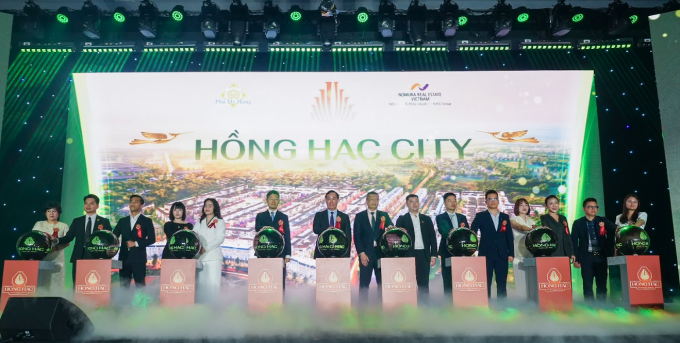
Kick-off ceremony for the Hồng Hạc City project on May 27. Photo: Phú Mỹ Hưng
“With 16 bridges, inner-city residents will tend to move to the North instead of just focusing on the West as before,” he said, adding that transport infrastructure not only shortens travel time but also impacts land values, population distribution, and investment flows.
Along with infrastructure, the trend of population decentralization from central Hanoi is also creating additional room for the peripheral real estate market. According to the expert’s analysis, the Northeast region is currently experiencing two simultaneous migration flows: a group of residents leaving the inner city as infrastructure improves, and a group of laborers from Northern provinces concentrating in urban areas around Hanoi. Within a radius of approximately 15-30 km from the Capital’s center, gateway cities such as Bắc Ninh, Thuận Thành, and Phố Nối are projected to benefit from this process, especially in the housing segment serving long-term residential needs.
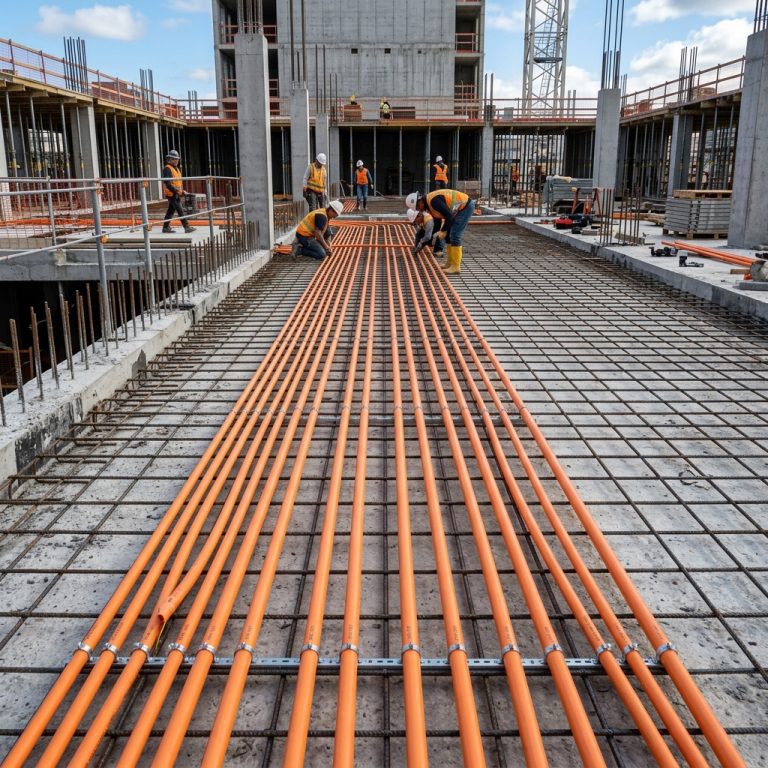
Major impetus from high-end FDI capital and demand for high-tech factories
While acknowledging the significant development potential, Mr. Chung also noted that the region will face pressure on urban infrastructure, the risk of imbalanced development, and competition for high-quality human resources. According to him, to maintain long-term attractiveness, localities need to simultaneously develop transport infrastructure, urban services, and living spaces for highly skilled labor. “The real estate market in this region faces a great opportunity over the next 10-20 years,” he remarked.
In this context, Phú Mỹ Hưng collaborates with Nomura Real Estate Vietnam to develop the Hồng Hạc City urban area, spanning nearly 198 hectares in Song Liễu Ward, Bắc Ninh. Collaborating partners include the Japanese partner – Nomura Real Estate Vietnam, along with various entities in design, construction, and finance.
At the project’s phase 2 launch event, Mr. Bùi Duy Toàn, Director of Sales and Marketing Department, Phú Mỹ Hưng Co., Ltd., stated that Hồng Hạc City is being developed as an “all-in-one” urban area, integrating an ecosystem of education, healthcare, commerce, entertainment, and community living spaces.
“We continue to apply the approach previously used at Phú Mỹ Hưng urban area, which involves synchronously developing infrastructure, amenities, and living spaces with a long-term vision, rather than focusing on short-term growth,” he said at the event.
In the next implementation phase, the investor plans to simultaneously develop internal amenities such as schools, medical centers, and a 17.8-hectare central park. Additionally, there will be a 6.2-hectare “Temporary Central Park” complex with features like a landscape lake, outdoor experience zones, and community living spaces… to be developed on land designated for future commercial-service complexes and high-rise residential buildings.
According to Mr. Toàn, the core elements for developing a long-term urban area are not just sales prices or business policies, but also implementation capacity, transparent legal frameworks, and the ability to accumulate value over time.
Original article source: VnExpress